Publications
16 peer-reviewed papers in ecology and conservation, 9 as lead author.
Behavioural conservation • Animal movement & habitat selection
I am a behavioural and conservation ecologist. Habitat loss and environmental change are leading causes of biodiversity loss, but species differ enormously in how they respond, and those differences are hard to predict from habitat alone. My research asks how animal behaviour, meaning what an animal chooses, where it settles and how it moves, determines whether a population persists, and how that knowledge becomes conservation action that names specific places and measures.
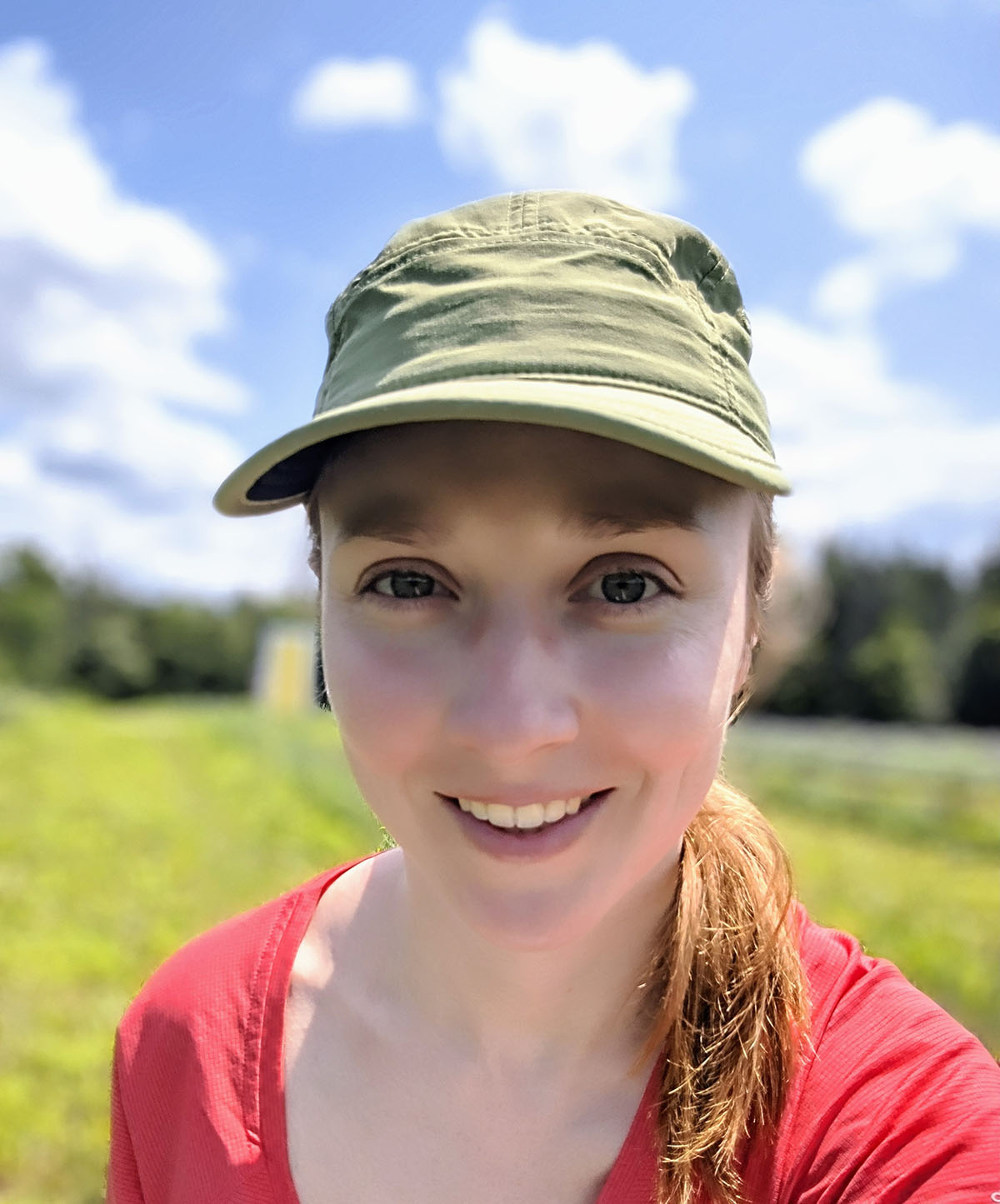
I am currently a Postdoctoral Research Associate in the Department of Biology and the Centre for Animals on the Move at Western University. Before that I held postdoctoral fellowships at the University of Guelph, on the effects of environmental stressors on bumble bee movement, and at UBC Okanagan with the BRAES Institute, on connectivity conservation in landscape ecology. I have also worked as a Research Analyst in Ecosystem and Climate Science at the Toronto and Region Conservation Authority and as a quantitative ecologist on landscape connectivity and habitat suitability modelling. I completed my PhD, MSc, and BSc at York University.
My research interests are:
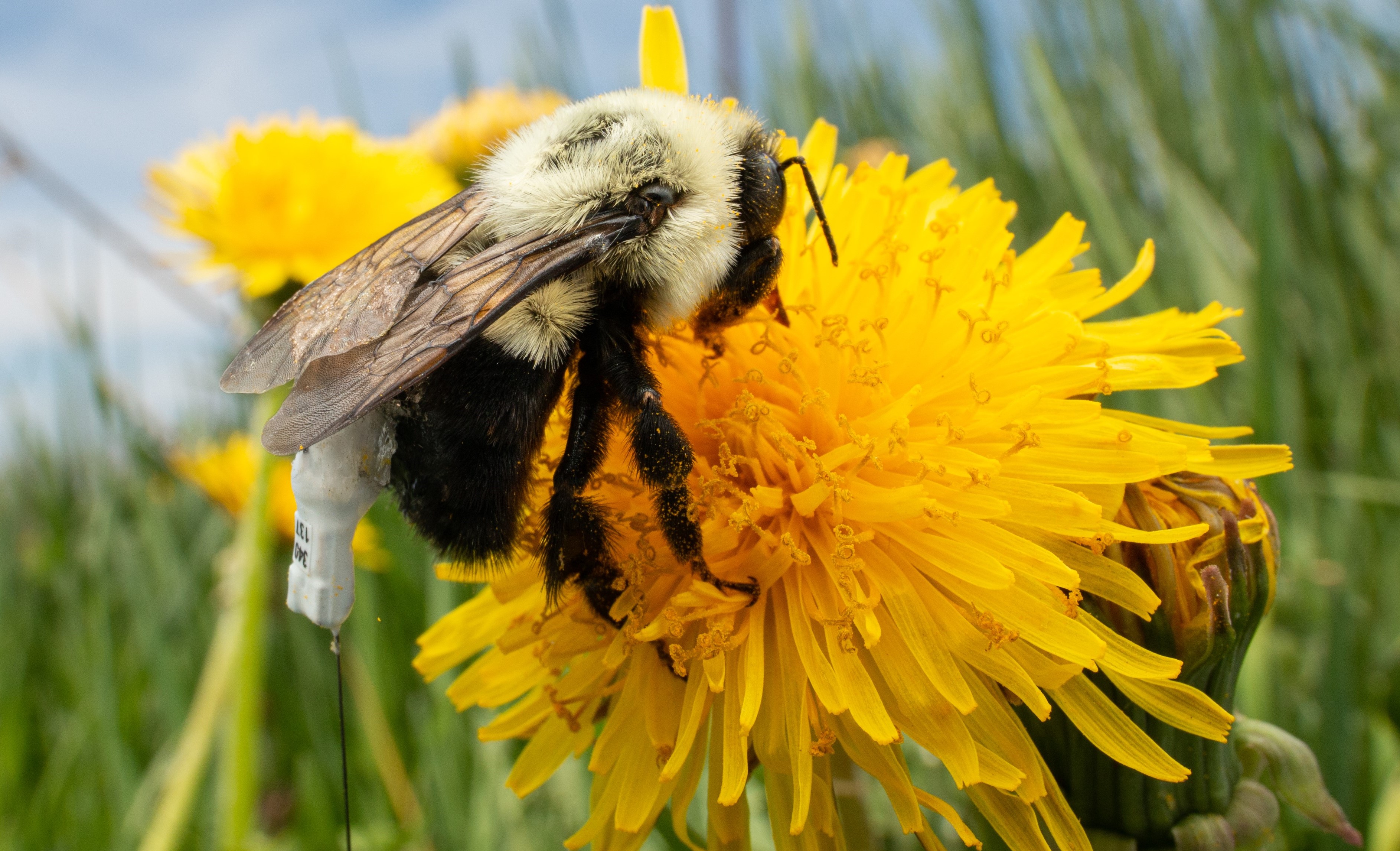
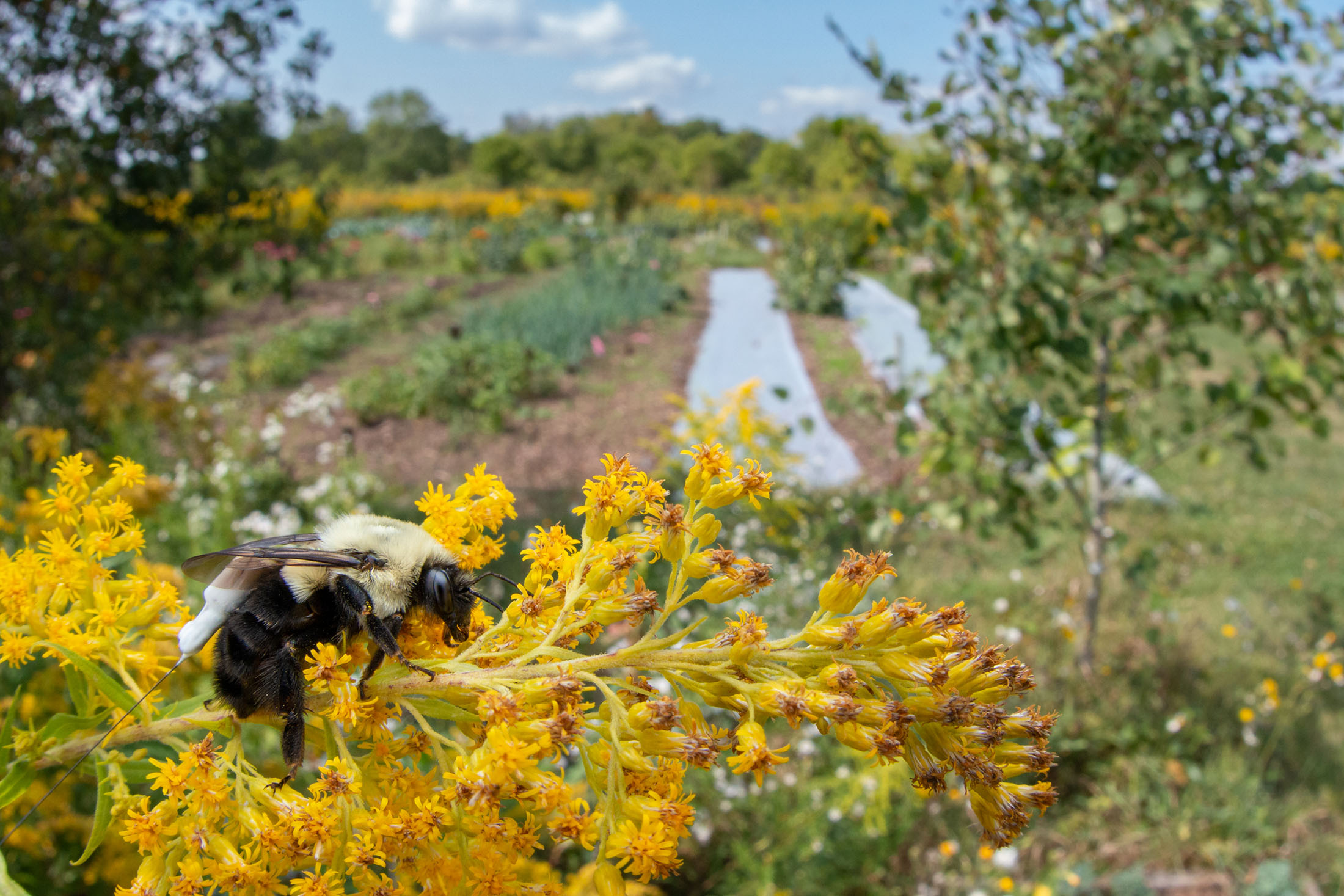
My research uses bumble bees as a model organism for behavioural conservation questions, because their colony cycle isolates decisions that matter. In spring a solitary queen must find and secure a nest site, and that single choice determines whether her colony succeeds over the months that follow. Later in the cycle, workers must learn to handle flowers, judge their quality, and navigate home; new queens must find mates and secure a safe overwintering site. Each stage is a different decision under different information, which makes the system unusually well suited to testing how behaviour translates into persistence. And because the habitat selection dynamics of these pollinators are so poorly understood, the answers matter directly for their conservation.
The same questions scale up, and I work across taxa to ask them. I have modelled movement for migratory birds and bats as well as bees, using the continental Motus Wildlife Tracking System to identify priority areas for migration across the Great Lakes region of northeastern North America. My bumble bee telemetry work was the first of its kind, using an expansive radio tower array to follow free-flying individuals, and it sits at the opposite end of the scale. Between an insect tracked over hundreds of metres and a bird tracked over thousands of kilometres, the two bracket the scales at which behaviour and movement limit population persistence. You can read more on my research page.
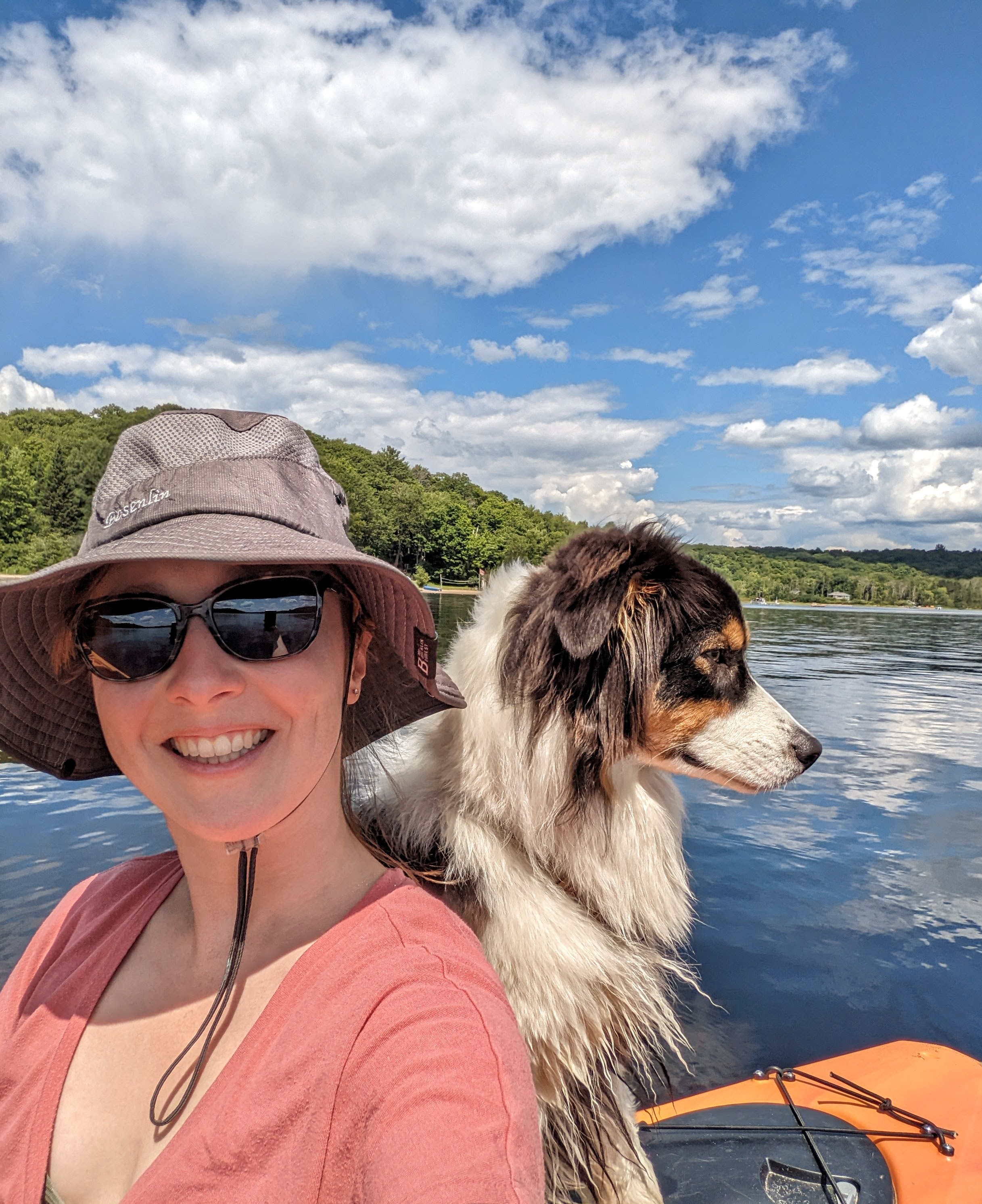
Away from the field and the data, I garden, hike, play violin, bake, and spend time with my dog.
I welcome enquiries from prospective graduate students, collaborators, and search committees. If you are interested in animal behaviour, habitat selection, or conservation planning, I would like to hear from you.