Does soil temperature predict bumble bee queen emergence in spring?
- Collaborators
- S. MacKell
- Study system
- Overwintering bumble bee queens (Bombus spp.)
- Methods
- Queen emergence surveys with depth-stratified soil temperature logging
- Status
- Preliminary analyses
Bumble bee queens hibernate throughout the winter by burying
themselves in the ground. In the spring they emerge from their
hibernation and begin looking for nest sites. Researchers have
noticed that some species tend to wake up from hibernation earlier
than others. The timing of when different species wake up from
hibernation could be related to soil temperature; perhaps early
emerging species hibernate in the top layers of soil which could
warm up faster than deeper layers waking them up faster.
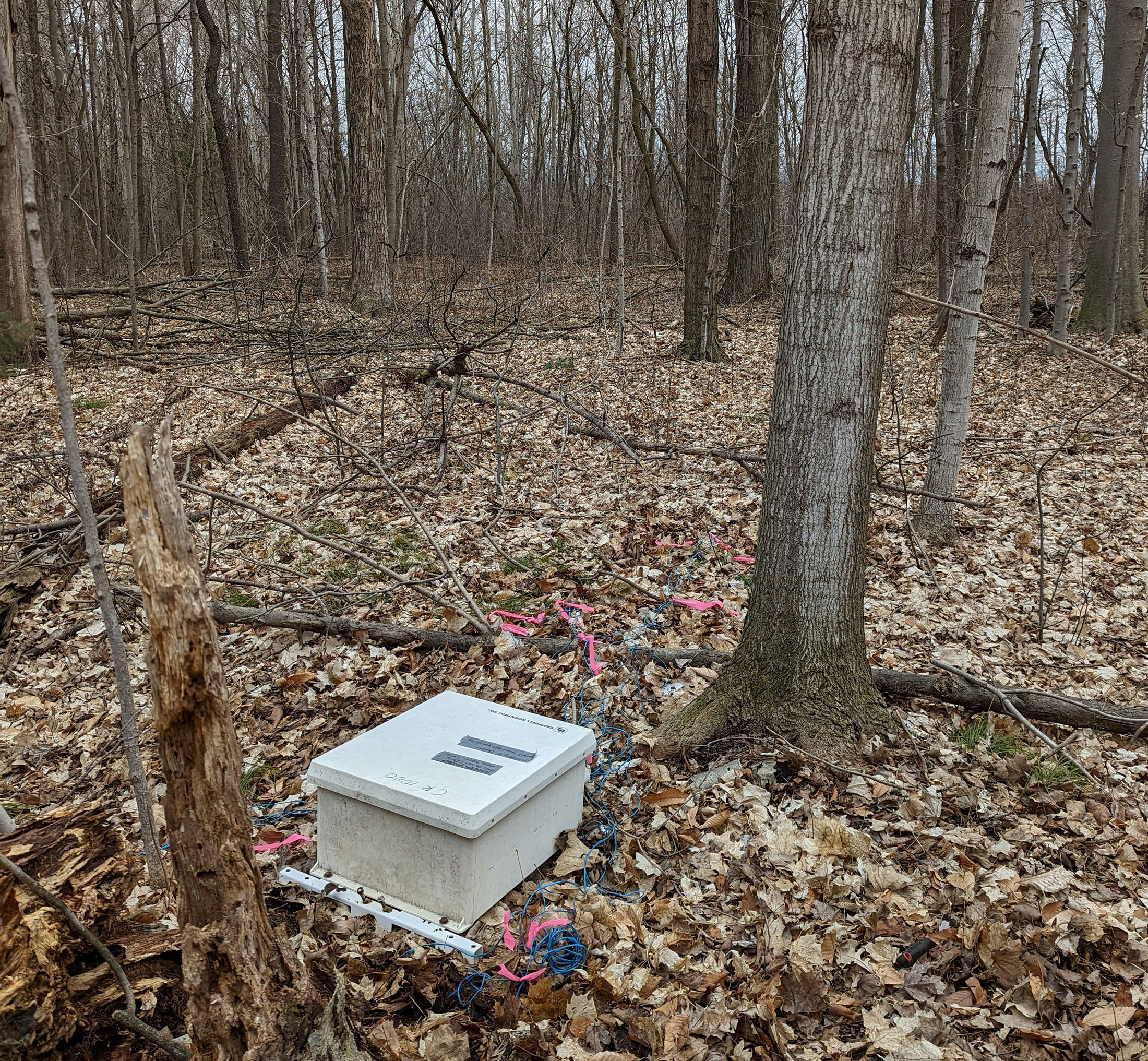
To test the impact of soil temperature on queen bumble bee emergence
timing, we surveyed for bumble bee queens, while simultaneously
measuring soil temperature at different depths.
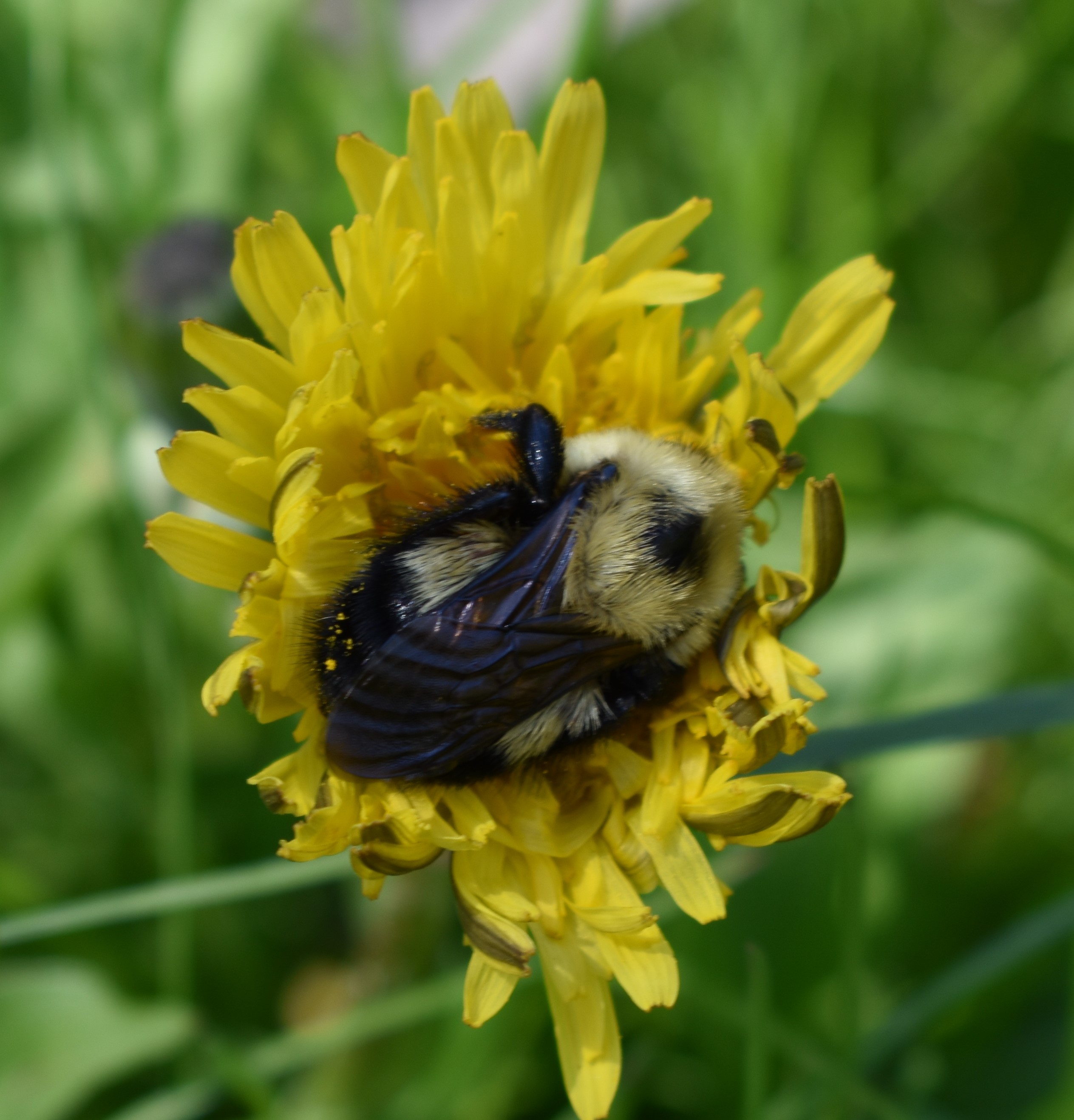
In our preliminary analyses we found that some species, particularly early emerging species may respond to soil temperature, while later emerging species may respond more to air temperature.
In our preliminary analyses we found that some species, particularly early emerging species may respond to soil temperature, while later emerging species may respond more to air temperature.
Research significance
Emergence phenology determines whether a queen encounters forage when she needs it, and it is the mechanism through which warming is most likely to decouple bees from their resources. Testing depth-stratified soil temperature against species-specific emergence timing tests a specific mechanism rather than simply correlating emergence with air temperature. The preliminary divergence, with early-emerging species tracking soil temperature and later species tracking air temperature, would predict species-specific rather than community-wide phenological shifts.
Outputs
- Liczner AR, MacKell S. 2021. Does soil temperature determine bumble bee queen emergence timing? Canadian Society for Ecology and Evolution Annual Conference.